


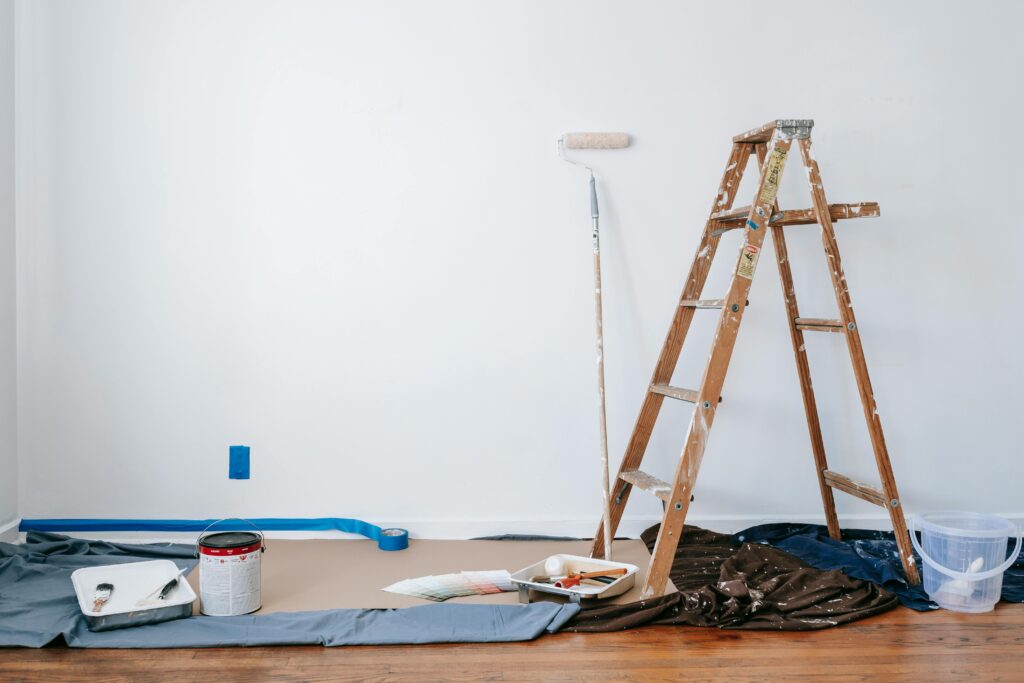
When it comes to refreshing the look of your home or office, many people focus on painting walls, updating floors, or adding new décor. However, one often-overlooked area that can completely transform your space is the ceiling. A freshly painted ceiling not only enhances the overall appearance of a room but also improves lighting, ambiance, and even the perceived size of your space. Whether it’s a simple refresh or a complete color transformation, Ceiling painting services can make all the difference.
In this blog, we’ll discuss why ceiling painting is essential, the benefits of hiring professionals, how the process works, and what factors to consider before starting your project.
Why Ceiling Painting Matters
Ceilings are often referred to as the “fifth wall” of a room. They play a crucial role in the aesthetics and atmosphere of your interior. Over time, ceilings can develop stains, cracks, discoloration, or fading due to factors like smoke, humidity, water leaks, or dust accumulation. Ignoring these signs can make your entire room look dull and outdated.
A properly painted ceiling:
- Brightens the room and enhances lighting
- Conceals imperfections like stains or watermarks
- Adds depth and height perception
- Improves the overall cleanliness and appearance of the space
In addition, ceiling painting isn’t just about aesthetics — it can also protect the surface from mold, moisture damage, and other structural issues that may arise over time.
When to Consider Ceiling Painting
You might not think much about your ceiling until it starts showing visible damage or discoloration. Here are a few signs that indicate it’s time for a repaint:
- Yellowing or stains caused by smoke, leaks, or humidity
- Cracks or peeling paint due to structural movement or poor ventilation
- Faded paint that makes the room look dull
- Ceiling repairs or patches that don’t blend with the existing paint
Even if your ceiling doesn’t show obvious damage, repainting every few years can help maintain a fresh, clean, and modern appearance.
The Benefits of Professional Ceiling Painting Services
While DIY painting might seem appealing, Exterior painting requires skill, precision, and proper tools. Working on ceilings can be physically demanding and messy without the right experience. Hiring professional painters ensures quality results, efficiency, and safety.
1. Expert Surface Preparation
Professionals start by cleaning the surface, sanding rough areas, and repairing cracks or water stains. Proper prep work ensures smooth paint application and long-lasting results.
2. Precision and Safety
Ceiling painting involves working overhead, often on ladders or scaffolding. Professionals are trained to handle these conditions safely and efficiently, avoiding drips, uneven coverage, or accidental damage.
3. High-Quality Materials
Experts use premium paints and primers designed specifically for ceilings. These paints have low splatter, high coverage, and are formulated to resist yellowing over time.
4. Even and Smooth Finish
Professional painters use techniques such as rolling, spraying, or cutting in to achieve a uniform, streak-free finish that enhances the room’s brightness and beauty.
5. Time and Cost Efficiency
While DIY might seem cheaper initially, it often results in wasted materials, extra time, and potential rework. Professionals complete the job faster and deliver results that last for years.
The Ceiling Painting Process: Step-by-Step
A professional ceiling painting project typically follows a structured process to ensure quality and consistency:
1. Inspection and Preparation
The first step is a detailed inspection of the ceiling to identify stains, cracks, or imperfections. Furniture and flooring are covered with drop cloths or plastic sheeting to prevent paint splatters. The surface is cleaned, sanded, and primed if needed.
2. Repair and Priming
If there are water stains or cracks, they are repaired using filler or joint compound. A stain-blocking primer is applied to prevent discoloration from seeping through the new paint layer.
3. Paint Selection
Depending on the ceiling type (flat, textured, or popcorn), the right paint and finish are chosen. Flat or matte finishes are common as they hide imperfections well, while semi-gloss finishes are used in moisture-prone areas like bathrooms or kitchens.
4. Application
The painting process typically involves cutting in the edges with a brush, followed by rolling or spraying the paint evenly. Professionals maintain consistent pressure and overlap to avoid roller marks.
5. Drying and Cleanup
Once painting is complete, the area is allowed to dry properly before the second coat (if needed). The space is then cleaned thoroughly, leaving no mess behind — just a beautifully refreshed ceiling.
Choosing the Right Ceiling Color
While white is the most common choice for ceilings due to its clean and reflective properties, modern design trends have opened the door to creative possibilities. Here are some tips:
- Bright White: Perfect for creating the illusion of height and openness.
- Soft Neutrals: Beige, light gray, or cream tones add warmth and sophistication.
- Bold Colors: Dark or contrasting shades can add drama and depth, ideal for large or high-ceilinged rooms.
- Matching the Walls: For a cozy, cohesive look, extend the wall color onto the ceiling.
Your choice of color should depend on room size, natural light, and overall design preferences.
How Often Should You Repaint Your Ceiling?
Generally, ceilings should be repainted every 5 to 7 years, but this can vary depending on the environment. Kitchens and bathrooms, for example, may require more frequent repainting due to moisture and smoke exposure. Regular maintenance ensures your ceilings stay bright and clean.
Cost Factors for Ceiling Painting
The cost of ceiling painting depends on several factors, including:
- Ceiling height and accessibility
- Type of paint and number of coats required
- Ceiling texture (smooth, popcorn, or coffered)
- Prep work and repairs needed
While costs can vary, investing in professional painting ensures long-term durability, minimal mess, and a flawless finish that enhances your property’s value.
DIY vs. Professional: What’s the Better Option?
While some homeowners enjoy tackling DIY projects, ceiling painting isn’t typically one of them. It involves more physical effort, higher safety risks, and greater chances of mistakes. Professionals have the tools, experience, and technique to deliver perfect results without the stress or mess. So, for most homeowners, hiring a professional service is the smarter and safer choice.
Final Thoughts
A beautifully painted ceiling can instantly refresh your space, improve lighting, and give your home a clean, inviting look. Whether you’re renovating, selling, or simply updating your interiors, professional ceiling painting services offer the expertise and precision needed to achieve outstanding results.
From preparation to finishing touches, professionals handle every detail, saving you time and effort while ensuring your ceilings look flawless. Don’t overlook the power of your ceiling — it’s a crucial part of your home’s beauty and comfort.
If you’re ready to elevate your home’s appearance, contact a trusted ceiling painting service today and see the difference a fresh coat of paint can make!