


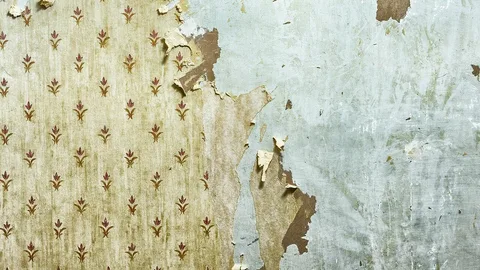
When it comes to renovating a room, one of the biggest decisions homeowners face is whether to remove old wallpaper or simply paint over it. While it might seem like a quick fix to just paint over the wallpaper, the long-term benefits of removing it far outweigh the convenience of doing so. In this article, we’ll explore the various reasons why removing old wallpaper is often the best choice for your walls, providing a more durable and aesthetically pleasing result.
1. Improved Surface Quality
One of the most significant advantages of removing old wallpaper is that it allows you to work with a clean, smooth surface. Wallpaper can create bumps, textures, or imperfections in the wall underneath, which can be difficult to cover with paint. If you paint over the wallpaper, those imperfections might still be visible, leading to an uneven finish. Removing the wallpaper eliminates these issues, ensuring a perfectly smooth and uniform surface for your paint.
2. Prevents Future Issues
When you paint directly over wallpaper, you’re essentially trapping the old wallpaper underneath the paint. Over time, the wallpaper adhesive can loosen, causing bubbles, peeling, or discoloration to form in the paint. These issues may not appear immediately but can become more noticeable as time passes. By removing the wallpaper first, you minimize the risk of these problems occurring and ensure that the paint will adhere better to the surface.
3. Better Adhesion for New Paint
Wallpaper removal also ensures that the new paint adheres properly to the surface. Paint may have trouble sticking to the wallpaper’s texture or the adhesive residue left behind. Even if you sand the wallpaper to smooth it, the surface is still not ideal for a flawless finish. By removing the wallpaper and cleaning the walls, you provide a clean and smooth surface for the paint, allowing for better adhesion and a longer-lasting finish.
4. Longer-Lasting Results
Removing wallpaper before painting also means that the paint job will last longer. When you paint over wallpaper, the old material may cause the paint to peel or fade over time. Wallpaper can also trap moisture, leading to the growth of mold or mildew behind the paint. By removing the wallpaper, you eliminate these potential issues, ensuring that your paint job lasts for years without needing touch-ups or repairs.
5. Restores the Look of the Walls
Wallpaper can become outdated or worn over time, with fading colors, tears, or visible seams. Even if the wallpaper is still in good condition, it can detract from the overall aesthetic of a room. By removing the wallpaper, you restore the original look of the walls, which can open up new possibilities for your design. You can repaint the walls in a fresh, modern color that matches your updated decor style, giving your room a complete makeover.
6. Opportunity to Fix Wall Damage
If there are any underlying issues with your walls, such as cracks, holes, or water damage, removing the wallpaper gives you the chance to address them. Once the wallpaper is gone, you’ll be able to inspect the wall thoroughly and make any necessary repairs. This helps to ensure that the final paint job looks flawless and the walls remain in good condition for years to come.
7. Increased Home Value
A well-maintained and modern home can increase its market value, and removing old wallpaper is a key step in this process. Homes with outdated wallpaper may appear neglected to potential buyers, while freshly painted walls give the space a clean, contemporary feel. If you plan to sell your home, removing the wallpaper and repainting the walls is an investment that can pay off by boosting your home’s appeal and value.
8. Easier Maintenance
Once the wallpaper is removed and the walls are repainted, maintaining the space becomes much easier. Painted walls are easier to clean than wallpapered ones, and if there are any scuff marks or stains, they can usually be wiped off with a damp cloth. Additionally, painting provides a more consistent surface for touch-ups, which is especially important in high-traffic areas of the home.
9. Healthier Living Environment
Old wallpaper can sometimes trap allergens, dust, and even mold spores, creating an unhealthy environment for those living in the home. By removing the wallpaper, you eliminate these potential health hazards and allow for better air quality. Additionally, painting over the freshly cleaned wall surfaces with low-VOC or no-VOC paint can further improve indoor air quality, making the space healthier to live in.
10. Flexibility in Design Choices
Once the wallpaper is removed, you’re free to explore a wider range of design options. Painted walls give you more flexibility with colors, textures, and finishes. Whether you opt for matte, satin, or glossy paint, the possibilities are endless. Furthermore, painting allows you to use wall treatments like stencils, murals, or even wallpapering in select areas, offering greater versatility in your design choices.
Conclusion
While it might seem easier to just paint over old wallpaper, removing it offers numerous benefits that make it worthwhile. Not only does it provide a smoother, longer-lasting surface, but it also eliminates potential issues down the line, such as peeling, bubbling, or mold growth. By taking the time to remove old wallpaper and prep your walls properly, you ensure that your paint job will look better, last longer, and help increase the overall value of your home. In the end, removing wallpaper is an investment that pays off in both aesthetic appeal and functionality.
FAQs
1. Can I paint over wallpaper without removing it?
While you can technically paint over wallpaper, it is not recommended. The paint may not adhere properly, and issues like peeling, bubbling, or discoloration can occur over time. It’s best to remove the wallpaper for a smoother, more durable finish.
2. How do I remove old wallpaper?
Removing wallpaper involves a few steps: first, score the wallpaper with a wallpaper scraper, then apply a wallpaper removal solution or a mixture of water and vinegar to loosen the adhesive. After that, peel the wallpaper off and use a sponge to clean the wall’s surface.
3. What if the wallpaper is hard to remove?
If the wallpaper proves difficult to remove, you can use a steamer to loosen the adhesive. Alternatively, you can apply a wallpaper removal product specifically designed for tough wallpaper. Patience and the right tools are key when dealing with stubborn wallpaper.
4. Will I need to repair my walls after removing the wallpaper?
It’s common to need some minor repairs after wallpaper removal, such as filling in holes or cracks. Once the wallpaper is gone, inspect the walls carefully and patch up any damaged areas before painting.
5. Is it necessary to prime the walls after removing the wallpaper?
Yes, priming the walls after wallpaper removal is a good idea, especially if you’ve had to patch any areas. Primer helps the paint adhere better, creates a more even surface, and ensures the paint color comes out vibrant.