


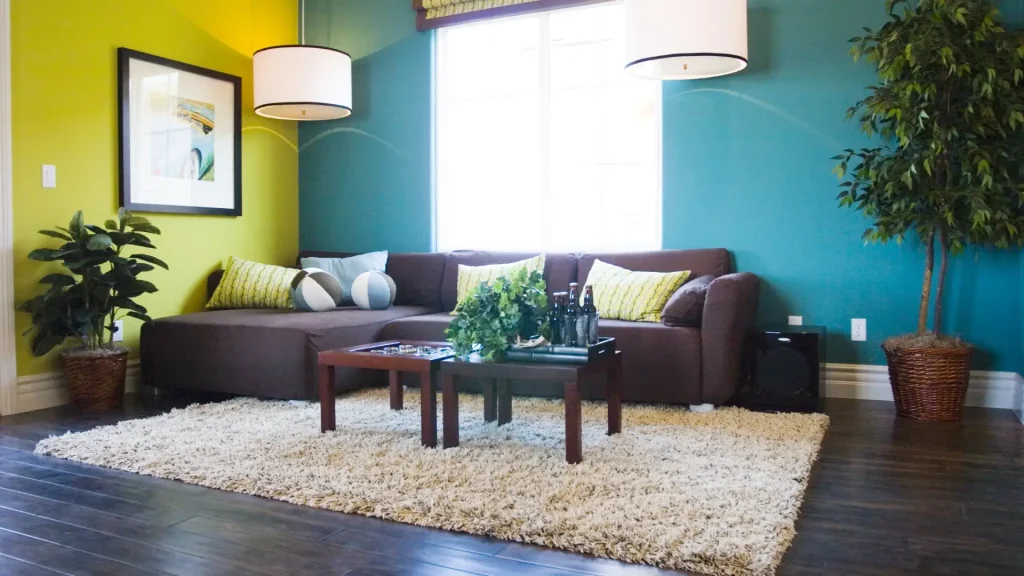
Painting the interior of your home is one of the simplest and most effective ways to refresh your living space. Whether you’re preparing a property for sale, moving into a new home, or simply giving your rooms a fresh look, interior painting can dramatically transform your environment. But before starting your project, the first thing most homeowners ask is: How much does it cost to paint an entire house interior?
The cost of interior house painting varies depending on several factors, including square footage, paint quality, labor costs, the number of rooms, and the amount of prep work required. This guide breaks down everything you need to know, so you can plan your budget with confidence.
Average Cost to Paint an Entire House Interior
On average, homeowners can expect to pay $2,500 – $8,000 for painting the interior of a full-size home. Smaller homes or apartments may cost around $1,200 – $3,500, while larger homes or properties with high ceilings may exceed $10,000.
Here’s a general cost breakdown based on size:
- 1,000 sq. ft. house: $1,200 – $3,500
- 1,500 sq. ft. house: $2,000 – $5,000
- 2,000 sq. ft. house: $3,000 – $7,000
- 2,500 sq. ft. house: $4,000 – $9,000
- 3,000+ sq. ft. house: $6,000 – $12,000+
These ranges include labor, materials, and basic prep work. However, additional factors can raise or lower the price.
Factors That Affect the Cost of Interior House Painting
1. Size of the Home
The most significant cost factor is square footage. The larger the area, the more paint, time, and labor are required. Most painters charge per square foot, with typical rates between:
- $2 – $6 per sq. ft. (walls only)
- $4 – $8 per sq. ft. (walls, ceilings, trim, and doors)
2. Number of Rooms
Rooms vary in size, height, and complexity. For example, bathrooms are smaller but require more precision, while living rooms have more wall space.
Typical cost per room:
- Bedroom: $300 – $900
- Bathroom: $150 – $400
- Kitchen: $250 – $700
- Living room: $500 – $1,500
- Hallways/Entry: $300 – $1,000
3. Ceiling Height
Homes with tall, vaulted, or cathedral-style ceilings require ladders, scaffolding, and more labor time. This can raise the price by 20% – 40%.
4. Paint Quality
Paint quality matters more than most homeowners realize. Higher-quality paint lasts longer, covers better, and requires fewer coats.
Price ranges:
- Standard paint: $20 – $35 per gallon
- Mid-range: $40 – $60 per gallon
- Premium: $70 – $120+ per gallon
Using premium paint may increase upfront cost but reduces repaints over time.
5. Type of Paint Finish
Different finishes have different prices:
- Flat/Matte: Least expensive
- Eggshell/Satin: Most common and moderately priced
- Semi-Gloss/Gloss: Slightly more expensive due to durability
6. Prep Work Needed
Homes that require more detailed preparation will cost more. Prep tasks include:
- Repairing cracks and holes
- Replacing drywall patches
- Sanding old paint
- Removing wallpaper
- Priming stained walls
Rates for prep work can add $200 – $2,000+ depending on the extent.
7. Labor Costs
Labor accounts for 70% – 85% of the total project cost. Professional painters typically charge:
- $25 – $60 per hour
- Or based on project size and complexity
Experienced painters may cost more, but they deliver a cleaner, long-lasting finish.
8. Trim, Doors & Baseboards
If you choose to paint trims, moldings, baseboards, and interior doors, this adds to the total cost.
Typical add-ons:
- Trim: $1 – $3 per linear foot
- Baseboards: $0.50 – $2 per linear foot
- Interior doors: $50 – $150 each
Trims require more detailed work, so they take more time and labor.
Cost to Paint by Type of Area
1. Walls Only
If you only paint walls, the cost is lower:
- $2 – $3.50 per sq. ft.
2. Walls + Ceilings + Trim
A full interior repaint including everything costs more:
- $4 – $8 per sq. ft.
3. Accent Walls
Accent walls cost slightly more due to color changes and detailed cutting:
- $80 – $200 extra per wall
DIY vs. Hiring a Professional Painter
DIY Painting Cost
If you plan to paint your home yourself, your cost will mainly include materials:
- Paint: $150 – $600
- Supplies (rollers, brushes, tape, trays): $50 – $150
- Drop cloths, ladders, repair tools: $50 – $200
Total DIY cost for an average home: $300 – $900
DIY is budget-friendly but very time-consuming. Mistakes can also reduce paint quality and lead to additional repairs.
Professional Painting Cost
Hiring a professional ensures:
- Smooth, clean finish
- Faster completion
- Proper prep work
- High-quality, durable results
Although the cost is higher, the long-term value is better.
How to Save Money on Interior House Painting
If you’re seeking ways to reduce expenses without compromising quality, consider these tips:
Choose mid-range paint
Premium paints are great, but mid-range options offer strong durability at a lower cost.
Do minor prep work yourself
Filling small holes or cleaning walls can reduce labor charges.
Avoid unnecessary color changes
Using fewer colors minimizes extra paint and labor.
Paint during off-season
Fall and winter months sometimes offer lower contractor rates.
Get 2–3 quotes
Comparing estimates helps you find the best value.
Signs Your Home Needs Interior Painting
You may be wondering if it’s the right time to repaint. Look for:
- Faded or dull paint
- Peeling or cracking
- Stains or water damage
- Marks that don’t clean off
- Outdated color palette
- You’re preparing the home for sale
Fresh paint instantly upgrades your home’s style, cleanliness, and resale value.
Final Thoughts: What Should You Budget?
On average, expect to spend $2,500 – $8,000 for a complete interior painting project, depending on the size of your home, paint choices, room complexity, and labor rates in your area. Investing in professional painting not only improves your home’s appearance but also protects surfaces, enhances durability, and boosts property value.
If you want your home to look modern, clean, and beautiful, interior painting is one of the best home improvement projects you can choose. Proper planning, smart budgeting, and understanding cost factors can help you make confident decisions before starting your project.