


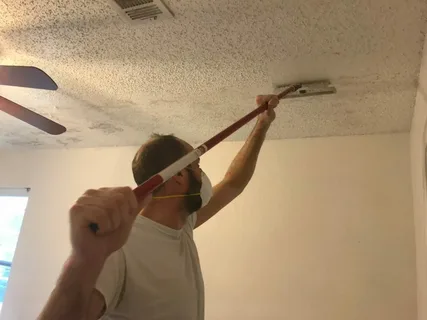
Popcorn ceilings, once a popular feature in homes, have now become a nuisance for many homeowners. The bumpy, textured surface can look outdated, collect dust easily, and make rooms appear darker. Removing this type of ceiling texture can improve the overall look of your home, but it’s not always an easy or straightforward process. There are several challenges that homeowners may face when attempting to remove popcorn ceilings. In this article, we’ll explore the common issues that arise during popcorn ceiling removal and how you can navigate them.
1. Asbestos Concerns
One of the most significant challenges with popcorn ceiling removal is the potential presence of asbestos. Asbestos was commonly used in popcorn ceiling textures before the 1980s due to its fire-resistant properties. If your home was built before this time, there is a chance that the popcorn ceiling may contain asbestos.
Asbestos fibers are dangerous when airborne, as inhaling them can lead to serious health problems, including lung cancer, mesothelioma, and asbestosis. Before starting the removal process, it’s essential to test the ceiling for asbestos. If the ceiling contains asbestos, it’s best to hire a professional asbestos removal specialist to handle the job. Attempting to remove it on your own could lead to contamination of the home and pose health risks.
2. Mess and Cleanup
Popcorn ceiling removal is a messy process, and homeowners should be prepared for the amount of dust and debris it generates. When you scrape the ceiling, pieces of the textured material will fall to the floor, creating a significant amount of cleanup. This can also affect your furniture, floors, and walls, making it a time-consuming and tedious task to clean up afterward.
To minimize the mess, you should cover your floors, furniture, and walls with plastic sheeting or drop cloths. Wearing protective gear such as goggles, gloves, and a mask will also help keep you safe from the dust. Despite these precautions, the cleanup process can still be challenging and time-consuming, so it’s something to keep in mind if you plan to tackle the project yourself.
3. Ceiling Damage
Removing popcorn ceilings can sometimes cause damage to the underlying surface, especially if the texture is applied directly to drywall. Scraping the material off can result in gouges, dents, or even complete removal of the drywall surface. This can be frustrating and add to the overall cost and effort of the project.
If the ceiling is severely damaged during removal, you may need to replace sections of drywall or apply a new layer of plaster to smooth out the surface. This repair process can add significant time to the project and may require professional assistance, depending on the extent of the damage.
4. Time and Effort
Popcorn ceiling removal is not a quick process, especially if you’re removing a large area or working with an old, stubborn texture. The process typically involves wetting the ceiling, scraping off the texture, and then cleaning and repairing the surface. Depending on the size of the room and the condition of the ceiling, this can take anywhere from a few hours to several days to complete.
If you’re attempting to remove the popcorn ceiling yourself, be prepared for long hours of work. Many homeowners find that the task takes more time and effort than they initially anticipated. You may also encounter unexpected delays if you run into issues like ceiling damage or difficulty removing stubborn texture.
5. High Labor Costs
If you decide to hire a professional to remove the popcorn ceiling, labor costs can quickly add up. Popcorn ceiling removal is often considered a specialized task, and experienced contractors charge a premium for their expertise. The cost can also increase if there are additional issues, such as asbestos removal or extensive repairs required after scraping off the texture.
In addition to the removal costs, you may also need to pay for drywall repairs, painting, or refinishing the ceiling, which can further increase the overall expense. Homeowners should factor in the full scope of the project when budgeting for popcorn ceiling removal, whether doing it themselves or hiring professionals.
6. Difficulty in Achieving a Smooth Finish
After removing the popcorn texture, the ceiling may still have imperfections, even if the texture itself is gone. You may notice uneven areas or rough patches that need additional sanding or smoothing. Achieving a perfectly smooth ceiling can be difficult, especially if the popcorn texture was applied thickly or unevenly.
In some cases, you may need to apply a new layer of drywall or joint compound to fill in any holes or imperfections. This can require several coats of compound, followed by sanding and priming, before you can paint the ceiling to achieve a smooth, finished look. This extra work can make the process more time-consuming and challenging.
7. Potential for Water Damage
In some cases, water damage may be hidden beneath the popcorn ceiling. If there are any leaks in the roof or plumbing, you may not notice the damage until you begin the removal process. The moisture from the removal process can also exacerbate existing water damage, causing further issues with mold or mildew.
If water damage is discovered during the popcorn ceiling removal, it will need to be addressed before you can proceed with the project. This may require repairing leaks, treating mold, or replacing damaged sections of the ceiling. Water damage can add another layer of complexity to the removal process, particularly if it’s not caught early.
8. Health and Safety Risks
The removal of popcorn ceilings can expose you to a variety of health and safety risks. As mentioned earlier, asbestos is a primary concern for older homes. In addition to asbestos, the dust created by scraping the ceiling can irritate your lungs, eyes, and skin, especially if you don’t wear proper protective gear.
If you have respiratory conditions or allergies, these risks are even greater. For this reason, it’s essential to take proper precautions, such as wearing a high-quality mask, goggles, and gloves during the removal process. If you’re concerned about health risks, it’s wise to consult a professional to handle the removal, particularly if asbestos is present.
Conclusion
While removing popcorn ceilings can dramatically improve the look of your home, it’s not without its challenges. From asbestos concerns and the mess created during the process to the potential for ceiling damage and the difficulty of achieving a smooth finish, homeowners should be prepared for the work involved. If you decide to tackle the removal yourself, ensure that you take the necessary precautions and allow plenty of time for the project. If the challenges seem too daunting, hiring a professional can save you time and effort, ensuring a safer and more efficient process. Regardless of how you approach it, the end result is a smoother, more modern ceiling that enhances the overall appeal of your home.
FAQs
1. How do I know if my popcorn ceiling contains asbestos?
If your home was built before the 1980s, there’s a possibility that your popcorn ceiling contains asbestos. The only way to be sure is to have the ceiling tested by a professional. Many home improvement stores offer asbestos testing kits that you can use, but it’s safest to consult a specialist.
2. Can I remove the popcorn ceiling myself?
Yes, you can remove a popcorn ceiling yourself, but it requires time, effort, and proper tools. You should also ensure that you follow safety precautions, especially if you suspect asbestos is present. If you’re unsure or uncomfortable, hiring a professional is a good option.
3. What happens if I paint over the popcorn ceiling instead of removing it?
Painting over a popcorn ceiling may make the texture less noticeable temporarily, but it doesn’t solve the long-term issues, such as dust accumulation or the ceiling looking outdated. Over time, the paint may crack or peel, and the texture may still be visible.
4. How long does it take to remove a popcorn ceiling?
The time required to remove a popcorn ceiling depends on the size of the room and the condition of the texture. On average, it may take anywhere from a few hours to a couple of days to complete the removal process, especially if you need to make repairs afterward.
5. Will I need to repaint the ceiling after removal?
Yes, after removing the popcorn ceiling, you will likely need to repaint it. Once the texture is scraped off, the ceiling will need to be repaired, smoothed, and primed before applying a fresh coat of paint.