


When it comes to home improvement, painting your house is one of the most cost-effective and transformative upgrades you can make. A fresh coat of paint can enhance curb appeal, increase property value, and protect your surfaces from damage caused by weather and wear. But while many homeowners are tempted to take on painting as a DIY project, hiring a professional house painter often leads to better, longer-lasting results. In this blog, we’ll explore why working with a skilled painter is essential, what to look for in a painting contractor, and how to prepare for your next residential painting project.
Why Hire a Professional House Painter?
1. Expertise and Experience
A professional house painter brings years of hands-on experience. They understand the nuances of different surfaces—wood, stucco, siding, brick—and know the best techniques and products to use for each. Whether you’re refreshing a single room or repainting the entire exterior, an experienced painter ensures an even, durable, and beautiful finish.
2. Time-Saving and Efficient
Painting a house can take days or even weeks for someone without the right tools or training. Professional painters can complete the job in a fraction of the time without sacrificing quality. Plus, they handle the prep work, cleanup, and everything in between, allowing you to focus on your daily routine.
3. Quality Tools and Materials
From premium brushes and rollers to high-end paints and primers, professionals use materials that offer superior coverage and durability. They also have access to commercial-grade equipment like sprayers and scaffolding, which produce cleaner, more uniform results.
4. Proper Surface Preparation
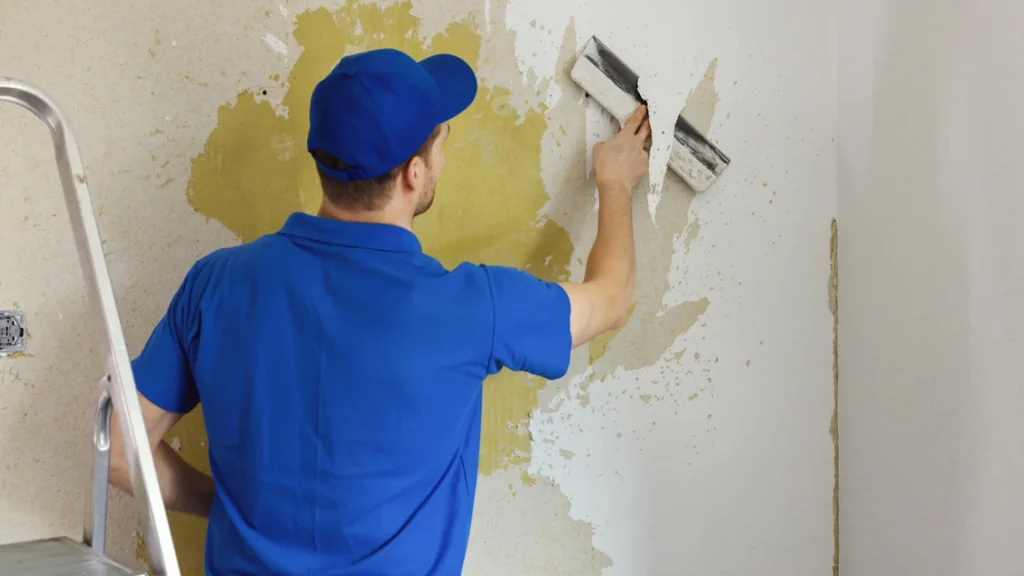
A critical step in any painting job is preparation. Professional painters know how to clean, sand, patch, and prime surfaces to ensure the paint adheres properly and looks flawless. Skipping or rushing through this process often leads to peeling, bubbling, or uneven finishes.
Interior vs. Exterior House Painting
Interior Painting
Interior painting focuses on aesthetics and ambiance. Whether you want calming colors for a bedroom, bold tones for a living space, or fresh neutrals for resale value, a professional painter can help you select the perfect shade and finish. Interior projects also involve careful protection of furniture, floors, and fixtures to avoid unwanted messes.
Exterior Painting
Exterior painting is more about protection and curb appeal. Paint shields your home from harsh elements—sun, rain, wind, and humidity. Professionals select weather-resistant paints and perform essential prep like pressure washing and caulking to ensure a strong bond and long-lasting results.
How to Choose the Right House Painter
1. Check Credentials and Insurance
Ensure the painter is licensed, bonded, and insured. This protects you in case of accidents or damages and also indicates professionalism and reliability.
2. Look for Reviews and References
Online reviews on platforms like Google, Yelp, and Houzz can give you insights into the painter’s reputation. Don’t hesitate to ask for references or examples of recent work.
3. Ask About the Process
A trustworthy painter will walk you through their process—from consultation and color selection to preparation, painting, and cleanup. This shows transparency and attention to detail.
4. Request a Written Estimate
Always get a detailed, written estimate that includes labor, materials, prep work, the number of coats, and the timeline. Avoid contractors who give vague or unusually low bids—they often cut corners or tack on hidden fees later.
What to Expect During the Painting Process
1. Consultation and Color Selection
Many painting companies offer color consultation services to help you choose shades that complement your home’s style and lighting. They may also use digital previews or samples to visualize the final look.
2. Surface Prep
Proper prep includes cleaning, sanding, caulking, patching holes or cracks, priming, and protecting surrounding areas with drop cloths or plastic sheets.
3. Application
Depending on the area and finish desired, the painter will use brushes, rollers, or sprayers to apply the paint evenly. Multiple coats may be applied for richer color and better coverage.
4. Final Walkthrough and Cleanup
Once the job is complete, a reputable painter will conduct a walkthrough with you to ensure satisfaction. They’ll also clean up thoroughly, leaving your space neat and ready to enjoy.
Tips for Maintaining Your Painted Surfaces
- Clean regularly: Use a soft cloth or sponge and mild detergent to clean scuff marks or dirt.
- Touch up when needed: Keep leftover paint for easy touch-ups.
- Inspect annually: Especially for exteriors, check for signs of peeling, chipping, or fading, and schedule maintenance as needed.
- Avoid harsh chemicals: On painted surfaces, harsh cleaners can strip or dull the finish.
The Value of a Good Paint Job
A professionally painted home doesn’t just look better—it lasts longer. Quality paint and proper application protect your home from the elements and reduce the frequency of repainting. Well-painted interiors can also improve your mood and increase your home’s marketability if you plan to sell.
When you invest in a professional house painter, you’re investing in craftsmanship, peace of mind, and the beauty of your home. Whether you’re updating your living space or preparing your house for sale, the right painter can make a world of difference.
Conclusion
Painting your house, whether inside or out, is a big job—but it doesn’t have to be stressful. By hiring a professional house painter, you get expert guidance, flawless results, and long-term value. From color selection to final touches, their skills ensure your home looks its best for years to come. If you’re ready to give your home a fresh new look, don’t wait—reach out to a trusted local painting expert and bring your vision to life!